A hearing aid against a personal sound amplifier
Quick answer
A hearing aid is an FDA regulated medical device built to compensate for hearing loss; a personal sound amplification product (PSAP) is unregulated consumer electronics that the FDA states plainly is not intended to compensate for impaired hearing. If sound is muffled or conversation is hard to follow, the category to buy from is OTC or prescription hearing aids, never a PSAP. A PSAP is the right purchase only for someone with typical hearing who wants more sound in one specific situation, such as birdwatching, a lecture hall, or a quiet hunting blind.
This is the single most important distinction on this site, because it is the one the marketplace works hardest to blur. The FDA created two regulated hearing aid categories in 2022: over the counter and prescription. A personal sound amplification product, or PSAP, sits outside both. It is consumer electronics, not a medical device, and the FDA's own guidance states that a PSAP is not intended to compensate for impaired hearing. That single sentence is the whole disagreement in this category compressed into one line.
The problem is not that PSAPs exist. The Williams Sound Pocketalker and the SuperEar SE7500 are honest, long-established products that do exactly what a sound amplifier is supposed to do: make one specific listening situation louder for someone whose hearing is otherwise typical. The problem is the sheer number of Amazon listings that borrow the words "hearing aid" for a product built and labelled the way a PSAP is. Sourcing this catalog from 296 marketplace candidates, 43 were unbranded or house-brand amplifiers whose titles claimed to be OTC hearing aids with no identifiable manufacturer behind them and, in several cases, a gain figure printed in the title as though it were a therapeutic claim. None of them made it into this catalog.
The regulatory difference in one table
A hearing aid is a regulated medical device meant to compensate for hearing loss; a PSAP is unregulated electronics the FDA says is not.
| Hearing aid (OTC or prescription) | Personal sound amplifier (PSAP) | |
|---|---|---|
| FDA regulated medical device | Yes | No |
| Intended purpose | To compensate for hearing loss | To amplify sound for someone without hearing loss, in a specific situation |
| Who it is for | Adults with perceived mild to moderate loss (OTC), or any degree of loss (prescription) | Anyone with typical hearing who wants more sound in one setting |
| Output and labelling | Regulated, with limits and required labelling | Not regulated as a medical device |
| Examples on this site | Branded OTC devices from Jabra Enhance, MDHearingAid, ELEHEAR, Ceretone, and Audien, plus the AirPods Pro hearing aid feature | Williams Sound Pocketalker and SuperEar, both labelled as amplifiers |
Why so many amplifiers are titled "hearing aids"
Search "hearing aids" on a marketplace and a large share of the results are an unbranded or house-brand amplifier with no identifiable manufacturer, sold under a name assembled for the listing rather than a company anyone could contact afterward. Many quote a gain figure such as a claimed decibel boost directly in the title, worded to read as a specification when no standards body publishes it as one and no FDA clearance backs it. That pattern is not a grey area; it is the specific thing the 2022 rule exists to separate out, and it is the reason 43 candidates were rejected outright while building this catalog.
A brand name is not a guarantee by itself, but a listing with an identifiable manufacturer, a consistent title, and a real support line is at minimum a company that can be held to what it claims. An anonymous listing offers none of that, whatever the title says.
If it is actually hearing loss, start here instead
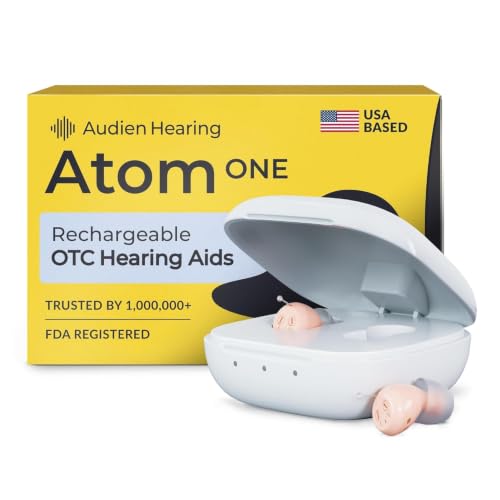
Audien Atom One
$88.20FDA regulated OTC hearing aid
Priced close to where marketplace listings are most often mislabeled amplifiers, yet this is a genuine FDA regulated OTC hearing aid from an identifiable manufacturer, useful as a first, low commitment purchase.
Check before buying: At this price the device is a basic amplifying aid with minimal adjustment. If a fitting to your own hearing pattern matters, this tier does not do it and a self-fitting device does.
Best for: Someone who wants to find out whether amplification helps at all before spending more.
Check price on Amazon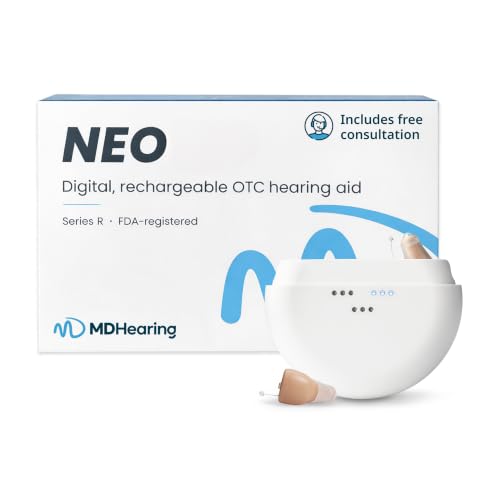
MDHearing NEO
$129.00FDA regulated OTC hearing aid
An in the ear device from a manufacturer with a long history in the category, at a price between the entry and mid OTC tiers.
Best for: The lowest cost route to a branded device with real customer support behind it.
Check price on Amazon
Jabra Enhance Select 700
$1,995.00FDA regulated OTC hearing aid
Published specsBundled remote audiology support rather than hardware alone, for a buyer who wants professional fine tuning without an in-person visit.
Check before buying: The listed price spans a wide range depending on the support package and configuration chosen at checkout. Confirm what level of audiology support is included before ordering, because that inclusion is most of what distinguishes this from a cheaper device.
Best for: Someone who wants clinic style follow up and professional fine tuning without in person appointments, and who has budgeted for a four figure purchase.
Check price on AmazonCommon questions
- Is a PSAP just a cheaper hearing aid?
- No. It is a different category of product built for a different purpose. A hearing aid, OTC or prescription, is an FDA regulated medical device meant to compensate for hearing loss. A PSAP is unregulated consumer electronics for a person with typical hearing who wants more sound in one situation, and the FDA states directly that it is not intended to compensate for impaired hearing.
- Can I use a PSAP if I already have hearing loss?
- A PSAP is not built or labelled to compensate for hearing loss, so it is not the right tool for that purpose, whatever the volume knob suggests. If sound is consistently muffled or conversation is hard to follow, an OTC or prescription hearing aid is the category to shop, and a professional evaluation is worth having if it has not happened yet.
- Why does an amplifier's Amazon listing say "hearing aid"?
- Because nothing currently stops a seller from using the words. Many unbranded and house-brand listings borrow hearing aid language and print an unverifiable gain figure in the title to look like a regulated device. It is a labelling problem, not a sign the product performs the way the title implies.
- How can I tell a real OTC hearing aid from a mislabeled PSAP before buying?
- Look for an identifiable manufacturer with a real support line and a consistent product name across its own listings, and treat any title that quotes a gain figure as a headline claim with suspicion. A genuine OTC device is sold under the FDA's 2022 rule and its maker will say so plainly; an anonymous listing usually will not.
- Are products like the Pocketalker and SuperEar bad products?
- No, they are honest examples of what a personal sound amplifier is meant to be: well made devices that boost sound in a specific situation for someone whose hearing is otherwise typical. They are simply not hearing aids, are not labelled as one on this site, and should not be bought as a substitute for one.
Get the complete hearing gear list
Every item in the starter, everyday and full setups, with running totals, in one printable list. It opens with a hearing evaluation, because that is genuinely the first step. No charge.
One list, no sequence of daily emails, and you can leave at any time.
Last updated 2026-09-17.